Your Tree Survived Another Storm. What Should You Look for Now?
Why Trees Often Look Their Worst in August
Your Tree Survived Another Storm. What Should You Look for Now?
Look for newly broken or hanging branches, cracks where large limbs attach, changes in the tree's lean, exposed or lifted roots, and sections of the canopy that suddenly look different.
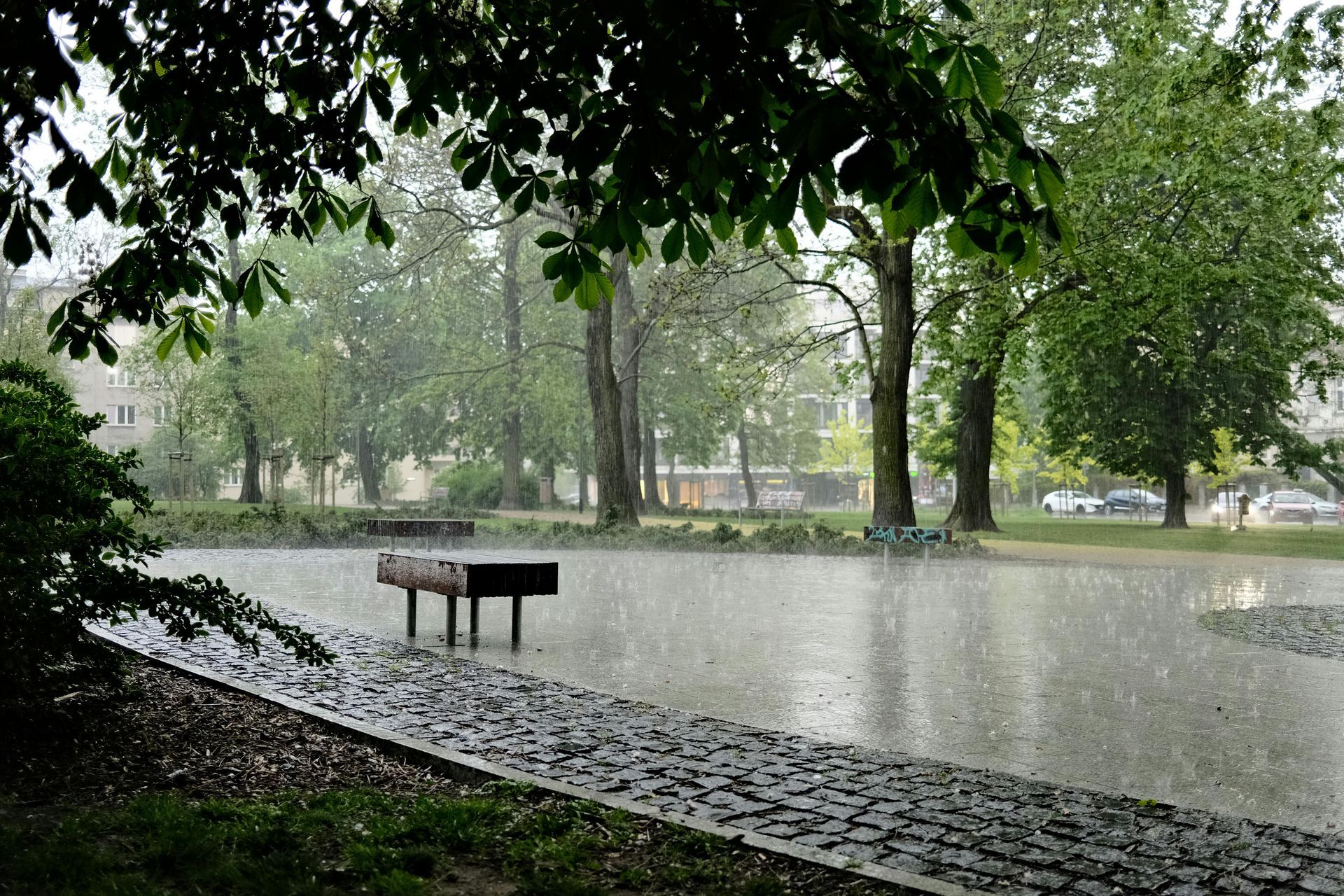
Northwest Indiana has been hit with another round of severe storms, including tornado activity and damaging winds.
For homeowners with trees still standing, that's obviously good news. But after the cleanup is finished and the obvious broken branches are gone, it's worth taking another look.
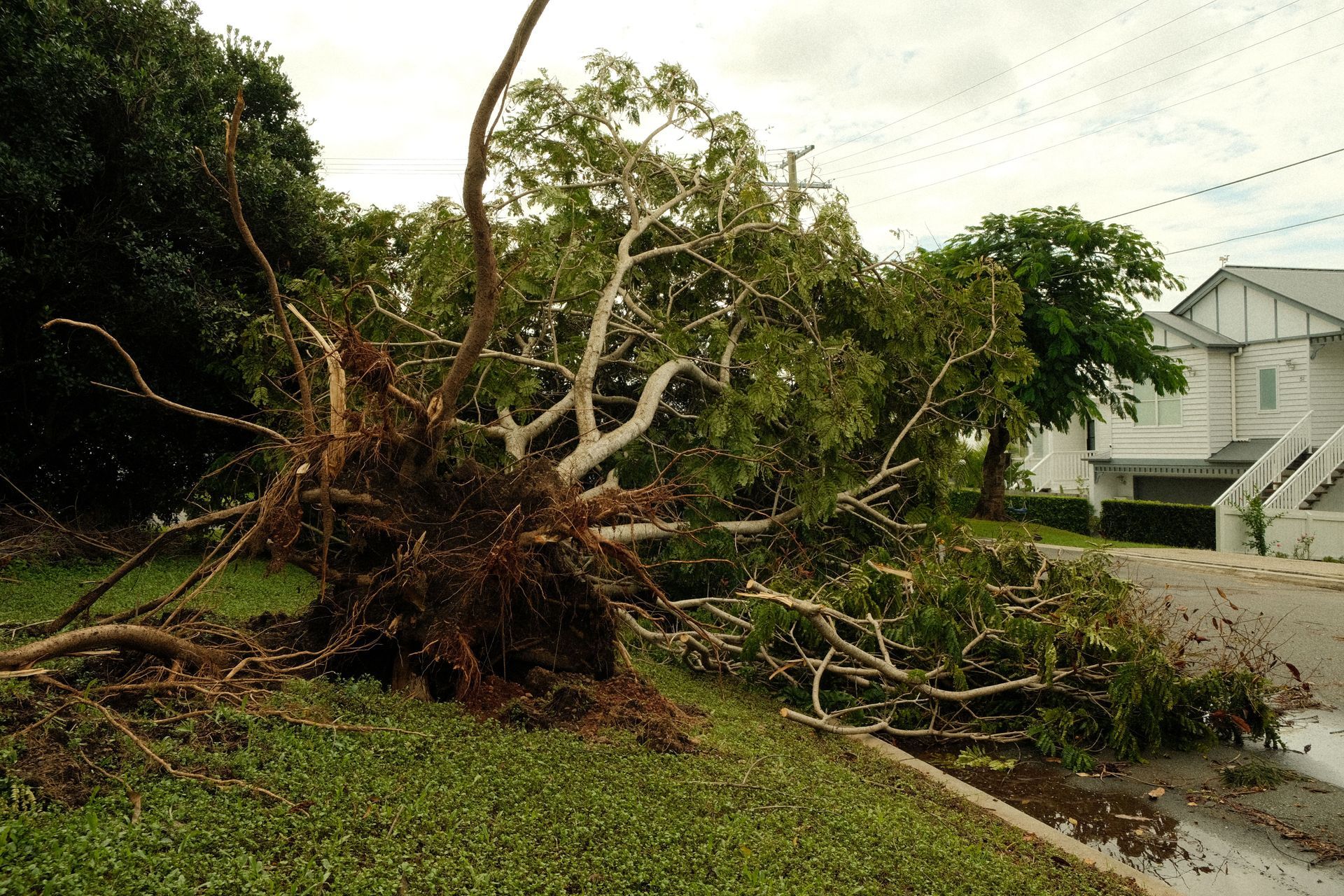
A tree doesn't have to fall to be damaged by a storm.
High winds place tremendous forces on trunks, branches, and root systems. Sometimes the damage is obvious. Sometimes it isn't.
Look Up Before You Look Down
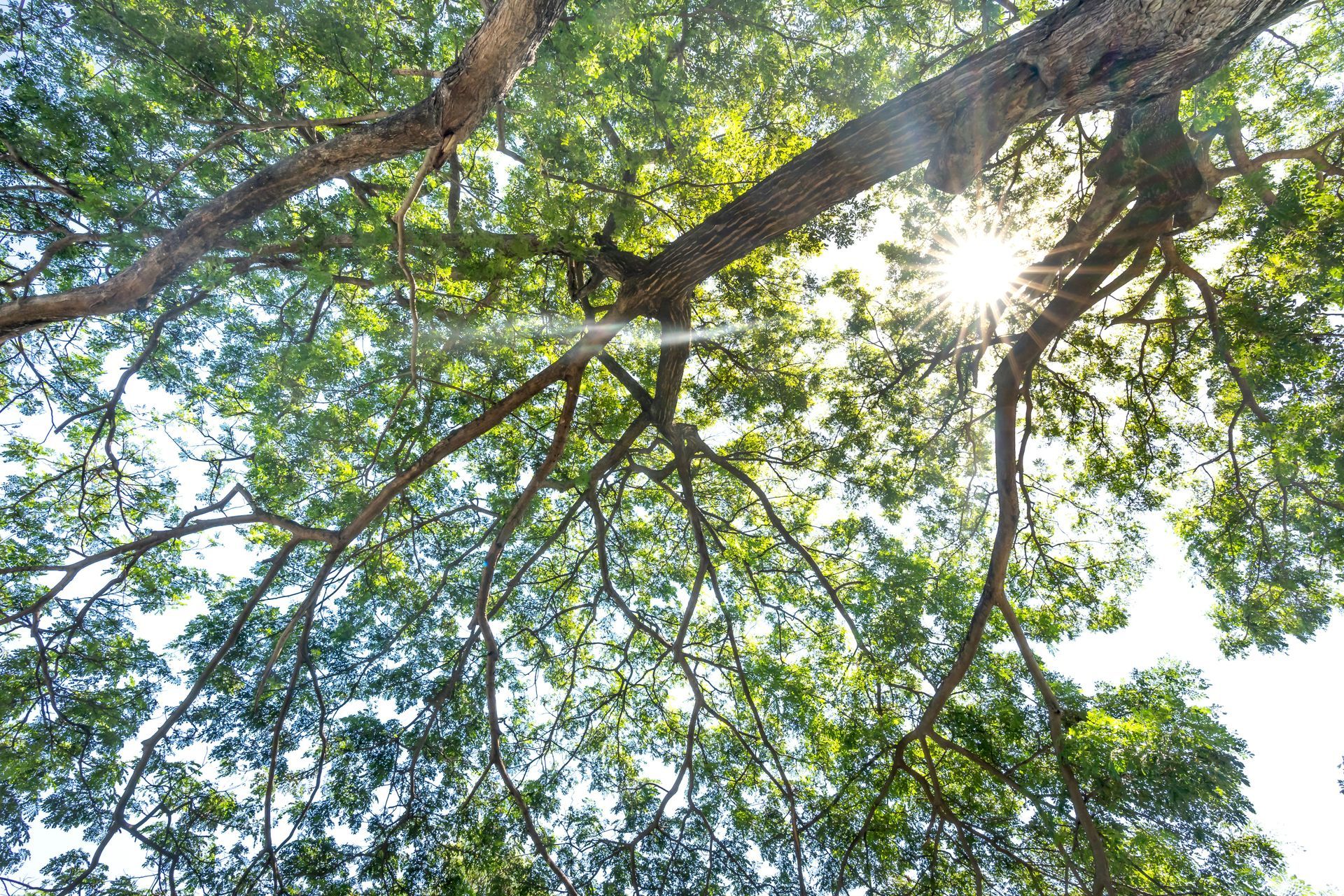
Start with the canopy.
Look for branches that are hanging differently, newly broken limbs, or areas where branches have shifted and are now rubbing against each other.
Pay particular attention to large branches and where they connect to the trunk. Fresh cracks or splits at these attachment points deserve attention.
Look at the Trunk
Walk around the tree and look for anything that seems different.
Fresh cracks, torn bark, or newly exposed wood can indicate that the tree twisted or flexed significantly during the storm.
That doesn't automatically mean the tree needs to come down, but it may warrant a closer evaluation.
Don't Forget the Roots
Strong winds affect the entire tree, not just what you can see above ground.
Look around the base for:
- newly exposed roots
- cracks or lifting in the surrounding soil
- changes in the tree's lean
- soil that appears disturbed on one side
These can indicate movement in the root system.
Watch the Tree Over the Next Several Weeks
Some storm damage doesn't show itself immediately.
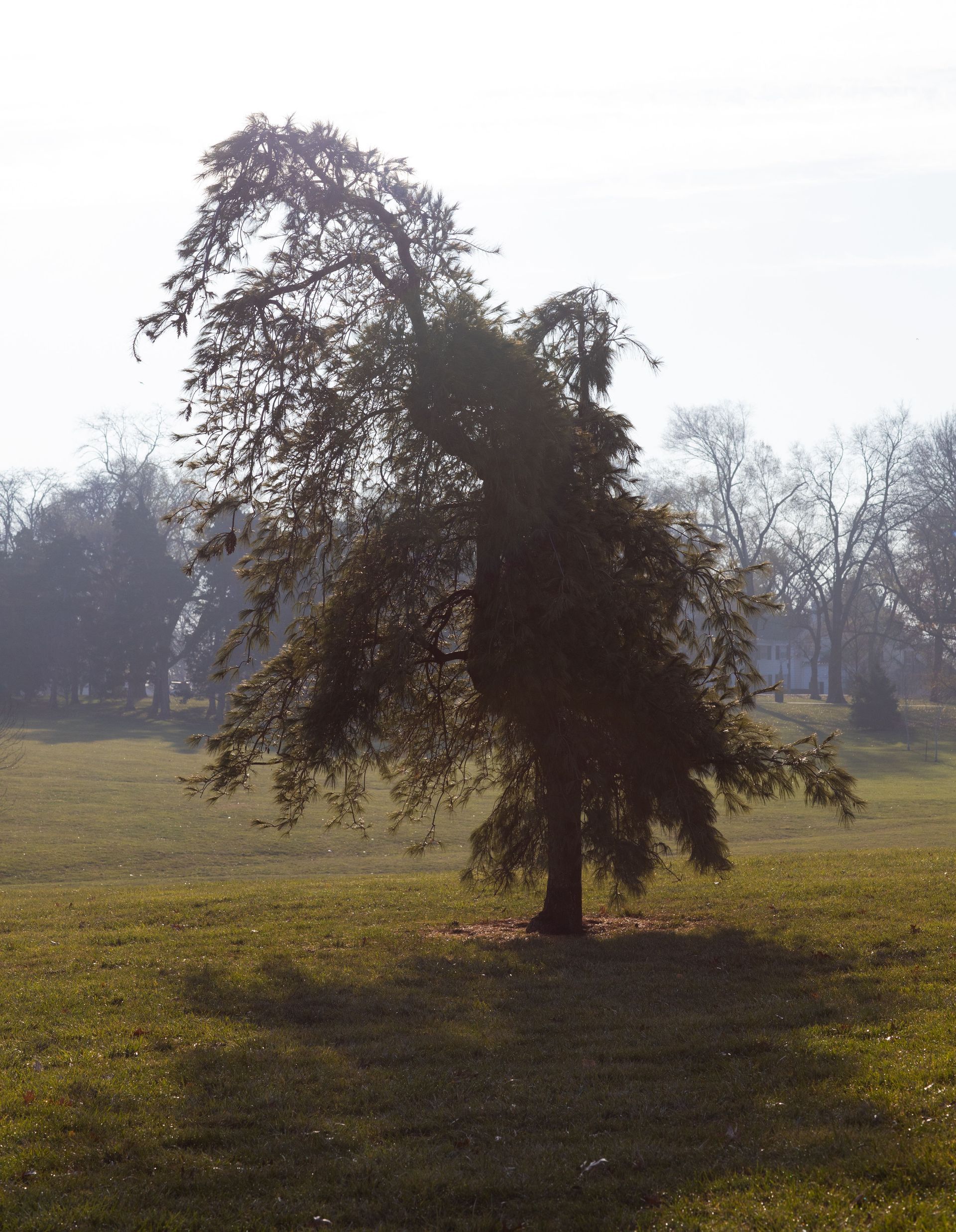
A damaged branch may remain green for a while. Root injury may not become obvious until the canopy begins responding to the loss of water or stability.
If one section of a tree suddenly begins losing leaves, wilting, or declining following a storm, don't automatically assume it's just an early fall.
Repeated Storms Matter
Trees are remarkably resilient, but severe weather can have a cumulative effect.
A tree that experienced significant movement or branch failure during one storm may be more vulnerable during the next.
That's one reason post-storm evaluation is about more than cleaning up what's on the ground. It's also about understanding what's still overhead.
Final Thoughts
If your trees survived the recent storms, take a few minutes to really look at them. Most will be just fine.
But if something has changed, particularly a large branch, the tree's lean, or the soil around its roots, it's worth asking someone who knows what to look for.
The Tree Bee Tip: Take a few photos of your larger trees now. Having pictures from year to year can make subtle changes in lean, canopy density, and branch structure much easier to recognize.
Contact us today to schedule YOUR consultation. Call 219-331-5901