Fall Tree Care Starts Now: Helping Trees Recover From a Stressful Summer
Why Trees Often Look Their Worst in August
What should you do for trees in early fall?
Early fall is a good time to evaluate tree health, maintain proper soil moisture, inspect mulch, identify summer damage, and begin planning any dormant-season pruning or other care.
September feels like the end of summer to us.
For trees, it's the beginning of an important transition.
Growth above ground begins slowing as trees prepare for dormancy, but plenty is still happening below the surface. Roots remain active, and trees continue storing energy they'll depend on through winter and into next spring.
After the summer we've had in Northwest Indiana, that transition deserves some attention.
Summer Stress Doesn't Disappear in September
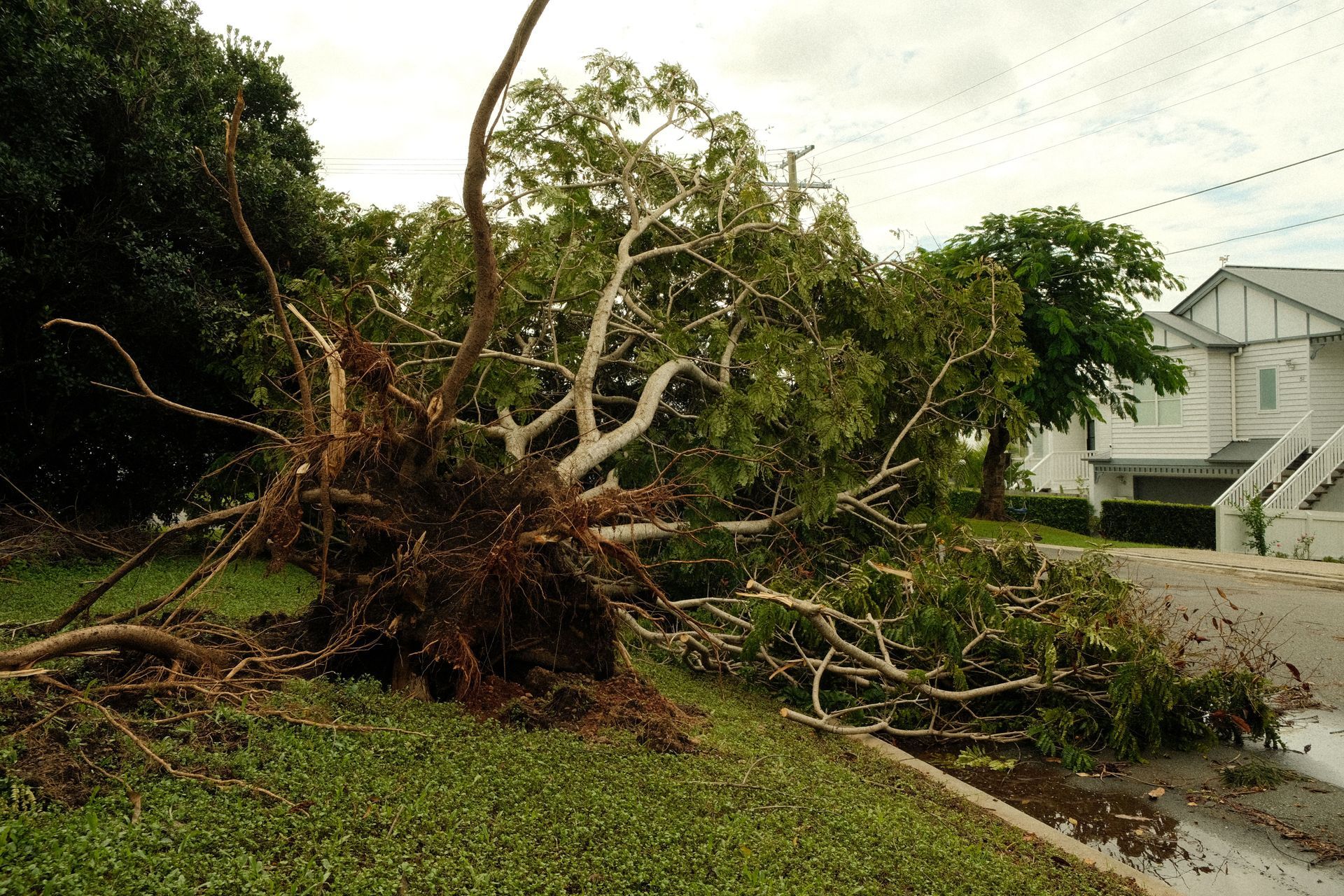
Heat, changing moisture conditions, insects, disease pressure, and severe storms have all challenged trees this year.
By September, the cumulative effects are often easier to see.
Look for:
- unusually thin areas of the canopy
- dead branch tips
- premature leaf drop
- branches damaged during storms
- changes that weren't present earlier in the season
A few yellow leaves aren't cause for alarm. Larger patterns are more meaningful.
Don't Stop Thinking About Water Yet
Cooler temperatures can make it easy to forget about watering.
But if September turns dry, trees can still benefit from adequate soil moisture, particularly young or recently planted trees.
Entering winter already moisture-stressed makes the dormant season harder on a tree.
Check Your Mulch
September is also a good time to look at what's happening around the base of the tree.
A proper mulch ring helps retain soil moisture and moderate temperature changes as we move toward winter.
Just remember the rule we've talked about before:
Mulch around the tree, not against the tree.
Keep it away from the trunk rather than piling it into a volcano.
Start Thinking About Dormant Pruning
Once leaves begin falling, tree structure becomes much easier to evaluate.
If you've noticed dead branches, crowded growth, or structural concerns this summer, now is a good time to start planning winter pruning.
You don't have to wait until January to get on the schedule.
Fall Is Also a Good Time to Evaluate Overall Tree Health
One of the advantages of paying attention throughout the year is that you begin seeing patterns.
How did the tree leaf out in spring?
How did it respond to summer heat?
Did storms cause damage?
Is the canopy still full heading into fall?
Those observations help tell the larger story of the tree's health.
Final Thoughts
September isn't the end of tree care for the year...It's really just a transition point.
A little observation and planning now can help trees recover from summer stress, prepare for winter, and enter next spring in a stronger position.
The Tree Bee Tip: Before the leaves fall, stand back and look at the entire canopy. This is one of your last opportunities this year to see differences in leaf density from one section of the tree to another.
Contact us today to schedule YOUR consultation. Call 219-331-5901