Why Trees Begin Showing Heat and Water Stress in Early Summer
Why Trees Begin Showing Heat and Water Stress in Early Summer
What are signs of heat stress in trees?
Wilting leaves, browning edges, curling foliage, premature leaf drop, and thinning canopy are common signs of heat or moisture stress in early summer.
By June, trees across Northwest Indiana are fully leafed out and actively growing. At the same time, temperatures begin climbing, rainfall patterns become less predictable, and trees start using significantly more water.
This is often when early stress symptoms begin to appear.
While mature trees are resilient, prolonged heat and inconsistent moisture can affect both young and established trees, especially in urban and suburban landscapes.
Leaves Often Show the First Symptoms
One of the earliest signs of stress appears in the foliage.
You may notice:
- leaves curling inward
- browning along the edges
- premature yellowing
- early leaf drop
These symptoms are often the tree’s way of reducing water loss during hot or dry conditions.
Watering Mistakes Are Common
Many homeowners assume occasional shallow watering is enough during warm weather. In reality, trees benefit more from slower, deeper watering that reaches the root zone.
Frequent light watering can encourage shallow root development and increase stress over time.
Young Trees Are Especially Vulnerable
Newly planted trees have smaller root systems and are more sensitive to fluctuations in soil moisture. Even a few weeks of hot, dry weather can create visible decline if watering is inconsistent.
Heat Stress Often Builds Gradually
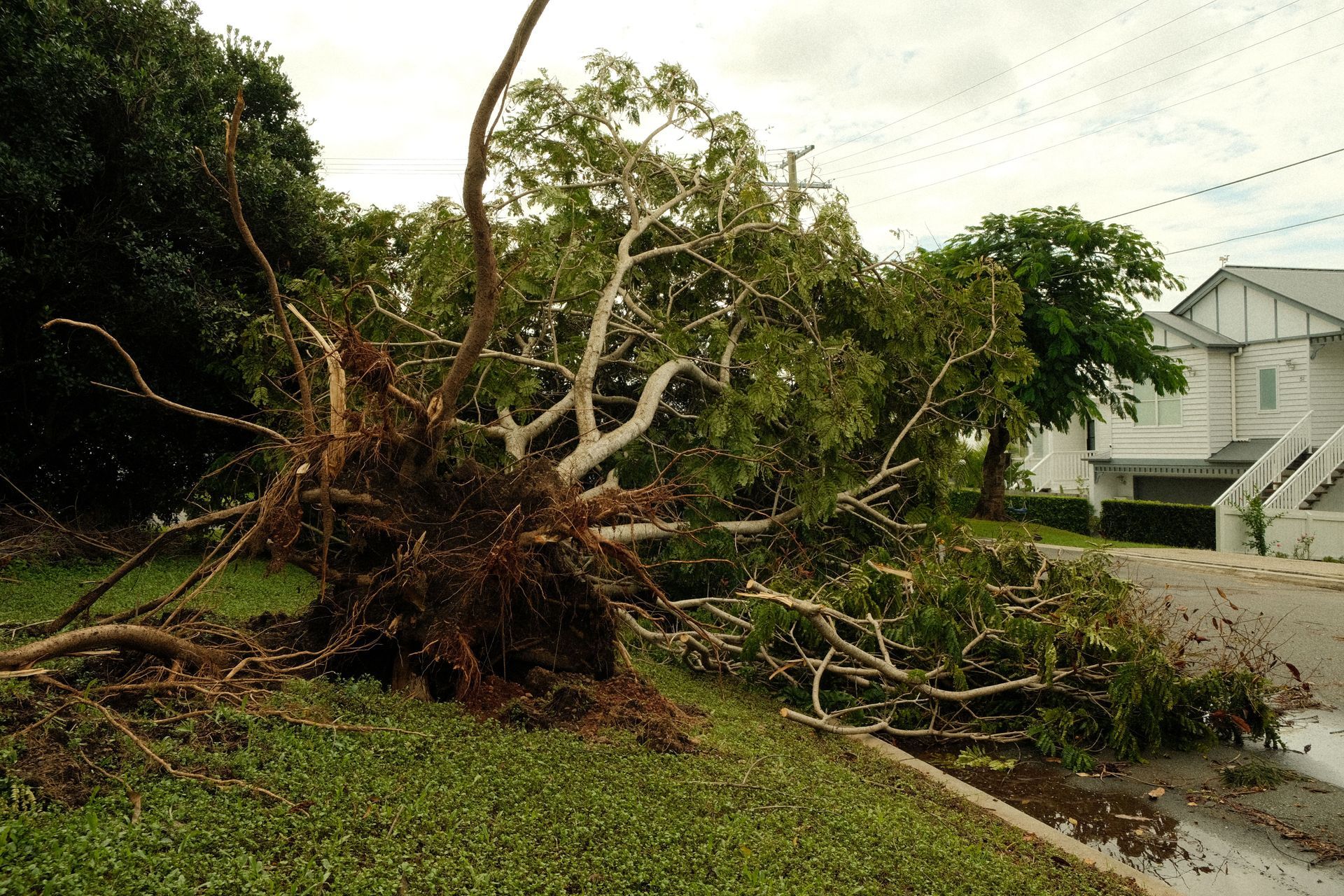
Unlike storm damage, heat and drought stress usually develop over time.
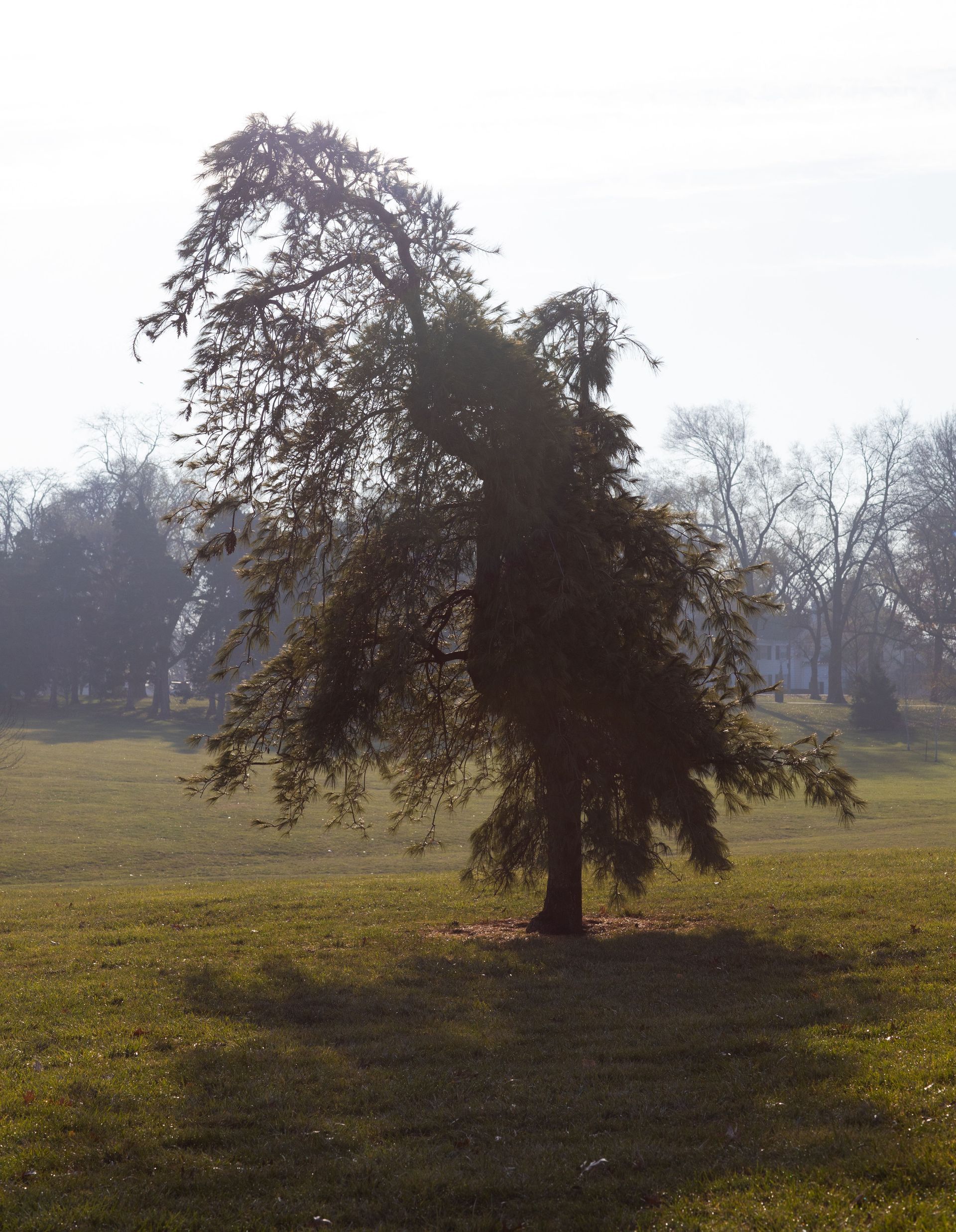
A tree may appear healthy in June, begin thinning in July, and show more serious symptoms later in summer if conditions persist.
Mulch Helps Moderate Conditions
A proper mulch ring helps regulate soil temperature and retain moisture during hot weather. It also reduces competition from grass and weeds near the root zone.
Final Thoughts
Early summer is when trees begin responding to environmental stress in visible ways. Paying attention to leaf condition, moisture, and canopy density now helps prevent more significant decline later in the season.
If something about your trees looks different this year, we are always happy to help assess what you are seeing.
Contact us today to schedule YOUR consultation. Call 219-331-5901