Summer Leaf Scorch: What Your Trees May Be Telling You
Summer Leaf Scorch: What Your Trees May Be Telling You
Does fungus on a tree mean it is dying?
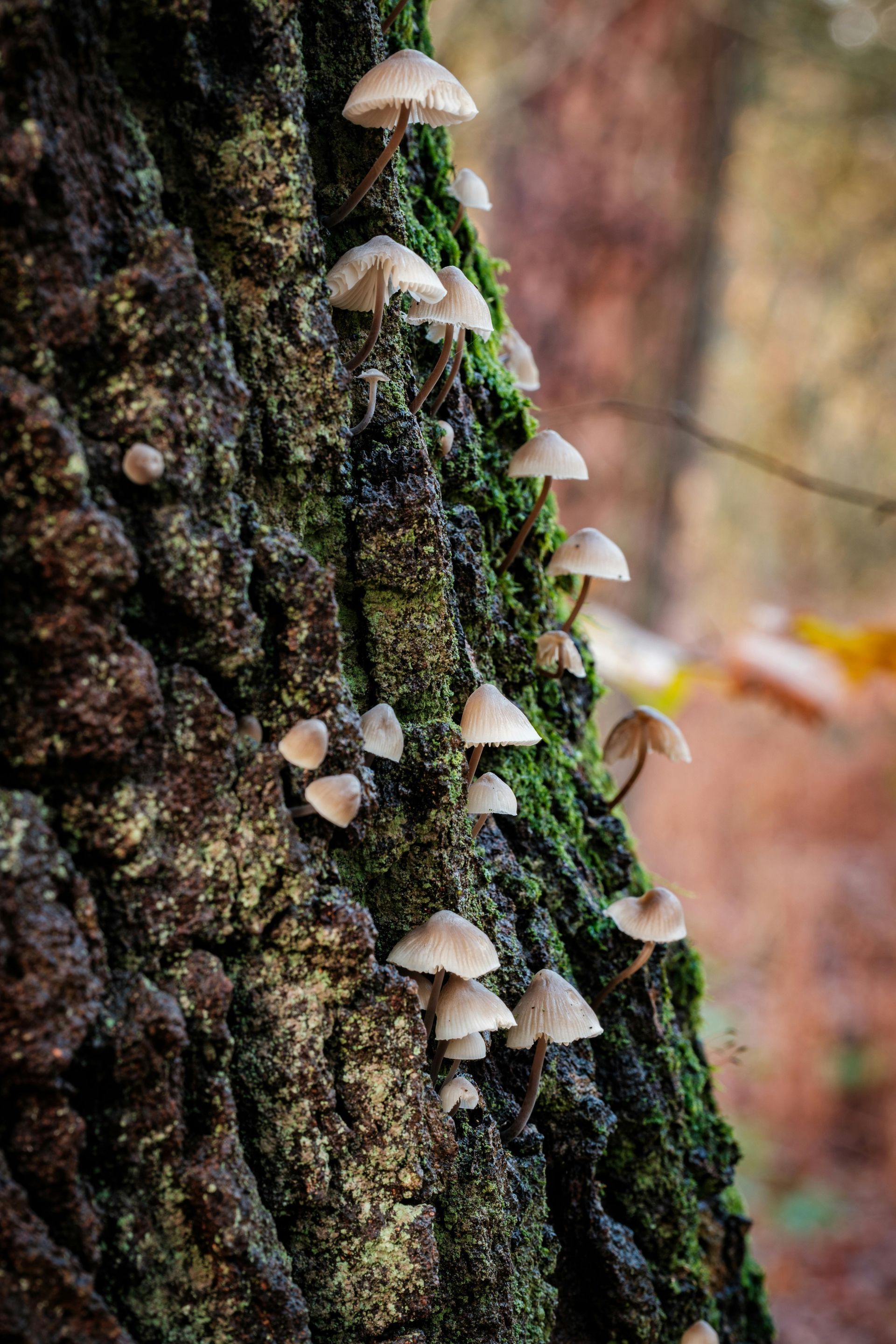
Not always. Some fungal growth is harmless, while other types may indicate internal decay or root stress. Proper identification is important before assuming the worst.
As temperatures rise and humidity increases, fungal growth becomes more noticeable around trees and landscapes. Homeowners often become concerned when they see mushrooms near roots, unusual growth on bark, or discoloration on leaves.
In many cases, fungal activity is a normal part of the environment. In other situations, it may indicate underlying stress or decay.
Fungi Are Part of Natural Ecosystems
Fungi help break down organic material and recycle nutrients in the landscape. Not all fungal growth is harmful to trees.
Some mushrooms appearing in mulch or nearby soil may simply reflect moisture and organic matter conditions.
Certain Signs Deserve Closer Attention
There are times when fungal growth may indicate structural or root concerns.
Examples include:
- mushrooms growing directly from the trunk
- fungal shelves attached to bark
- repeated fungal growth near the base of the tree
- soft or decaying wood
These signs may suggest internal decay or root issues.
Leaf Fungal Symptoms Become More Visible in Summer
Humidity and moisture also increase the visibility of leaf spotting and other fungal symptoms on foliage.
In many cases, these issues are cosmetic and do not threaten the long-term health of mature trees.
Avoid Assuming the Worst
One of the biggest mistakes homeowners make is assuming every fungus means a tree is dying.
Proper evaluation matters because different fungi affect trees very differently.
Why Tree Stress Matters
Fungal issues are often connected to stress factors such as:
- root disturbance
- excessive moisture
- drought history
- construction damage
- compacted soils
Healthy trees generally tolerate environmental fungi much better than stressed trees.
Final Thoughts
Fungal growth becomes more visible in summer, but context matters. Observation and proper identification are more important than reacting out of concern.
If you are seeing unusual fungal growth around a tree, we are always happy to help evaluate it.
Contact us today to schedule YOUR consultation. Call 219-331-5901