Fall Leaf Color: What's Normal and What's a Warning Sign?
Fall Leaf Color: What's Normal and What's a Warning Sign?
Can early fall color indicate a tree problem?
Yes. While fall color is a normal seasonal process, a tree or individual branch changing color much earlier than others of the same species may indicate stress. Drought, root damage, disease, and other environmental factors can contribute to premature color changes or leaf drop.
October is one of the most beautiful months in Northwest Indiana.
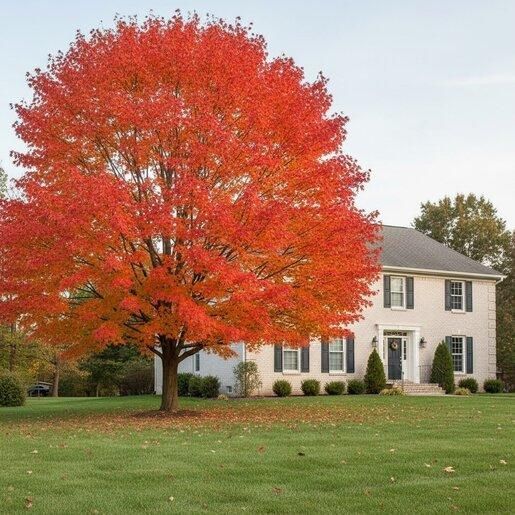
Maples turn brilliant shades of red and orange. Oaks begin shifting toward deeper browns and reds. Neighborhoods that were green just a few weeks ago suddenly look completely different.
For most trees, these changes are perfectly normal.
But sometimes, the timing and pattern of fall color can tell us something important about tree health.
Why Do Leaves Change Color?
As daylight decreases and temperatures cool, deciduous trees begin preparing for winter.
Chlorophyll, the pigment responsible for green leaves, breaks down as the tree transitions toward dormancy.
This allows yellow and orange pigments to become more visible. Red pigments may also develop in certain species.
It's a natural process, and one of the most recognizable signs of fall.
Not Every Tree Changes Color at the Same Time
Different tree species follow different schedules.
Even trees of the same species may change color at slightly different times depending on their location, sunlight, and growing conditions.
So one tree turning yellow before another isn't automatically cause for concern.
What's more important is whether the change is unusual for that particular tree.
When Early Color Might Signal Stress
Sometimes a tree begins changing color significantly earlier than expected.
You might notice:
- One section of the canopy changing color before the rest
- Leaves browning rather than developing typical fall colors
- Premature leaf drop while nearby comparable trees remain green
- A canopy that appears thinner than in previous years
These symptoms can indicate that the tree experienced stress during the growing season.
This Summer's Storms May Have Left Their Mark
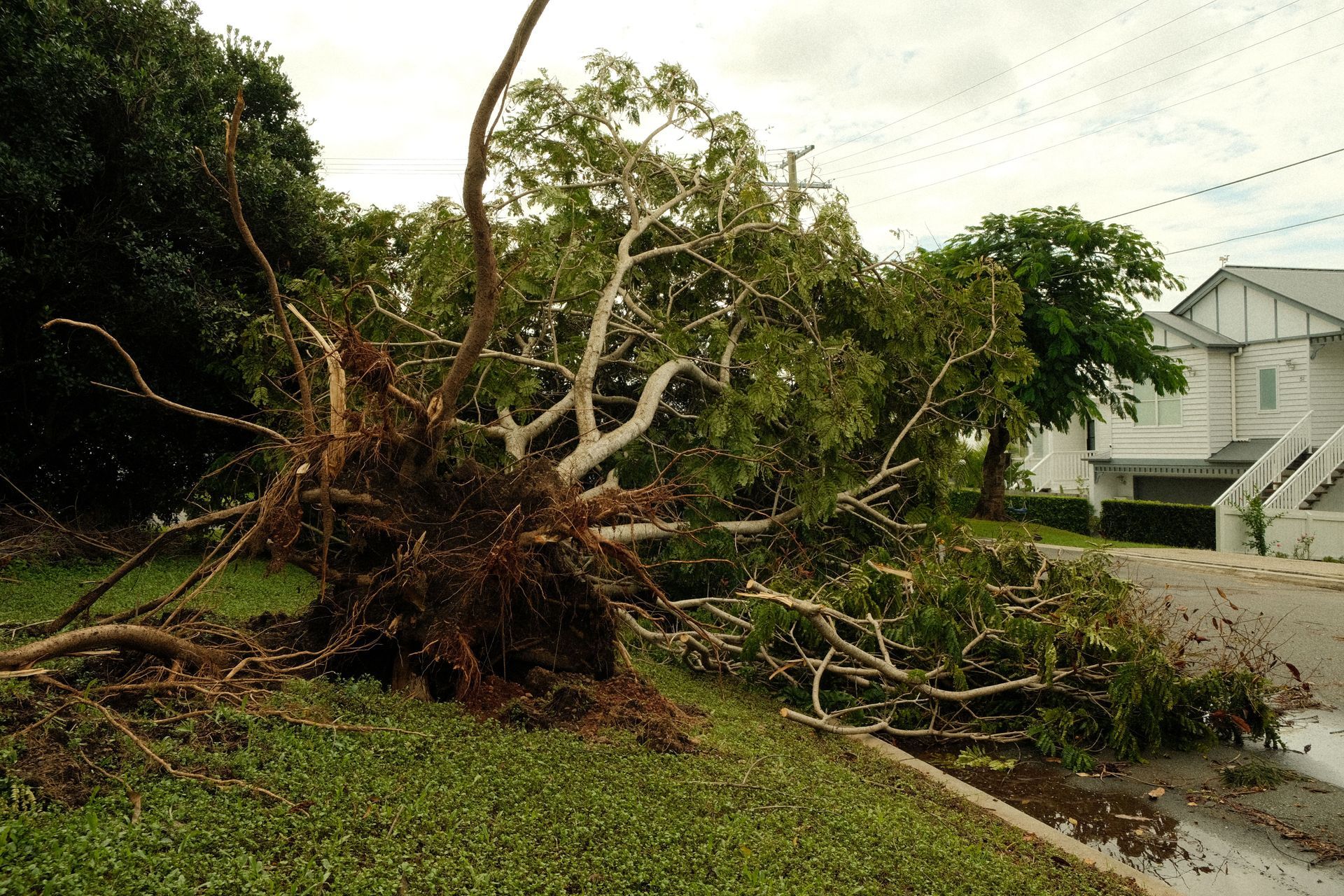
After the severe weather Northwest Indiana experienced this summer, some homeowners may notice changes in trees that previously looked healthy.
High winds can damage branches or roots without immediately causing visible decline.
As fall arrives, affected sections of a tree may begin changing color or dropping leaves earlier than expected.
That doesn't mean every early-changing tree suffered storm damage.
But it does make this a good year to pay attention to unusual patterns.
Don't Confuse Normal Fall Color With Leaf Scorch
Leaves affected by summer heat or drought may have brown, dry edges or irregular patches.
That's different from the more uniform seasonal color changes we associate with fall.
A tree can also have both normal fall color and leaves damaged by earlier stress.
Looking at the overall pattern helps distinguish the two.
What Should Homeowners Do?
Start by observing.
Compare your tree with nearby trees of the same species, if possible.
Think about how it looked earlier in the year.
Did it have a full canopy in May? Was it affected by summer storms? Did certain branches begin declining in August?
If you notice a significant change, particularly in only one portion of the canopy, consider having it evaluated.
Final Thoughts
Fall color is one of the best parts of living in Northwest Indiana.
Most of what you're seeing is simply nature preparing for winter.
But unusual timing, premature leaf drop, or changes in only part of a tree can provide useful clues about its health.
The Tree Bee Tip: Take a picture of your trees before all the leaves fall. It's an easy way to document canopy health and compare how your trees look from year to year.
Contact us today to schedule YOUR consultation. Call 219-331-5901