Fall Tree Fertilization: Does Your Tree Really Need It?
Fall Tree Fertilization: Does Your Tree Really Need It?
Should trees be fertilized in the fall?
Fall fertilization can benefit trees with identified nutrient deficiencies or specific soil limitations, but not every tree needs it. A professional assessment and appropriate soil testing can help determine whether fertilization is necessary and what nutrients should be applied.
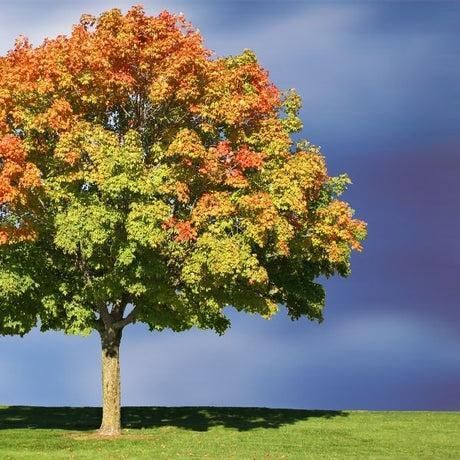
October brings cooler temperatures, changing leaves, and the beginning of another transition for trees across Northwest Indiana.
While homeowners are busy preparing their properties for winter, there's something happening beneath the surface that's easy to overlook.
Your trees are still preparing for next year.
Even as aboveground growth slows, roots may remain active while soil temperatures are favorable. Trees are also conserving and redistributing nutrients as they prepare for dormancy.
That raises a question we hear this time of year: Should I be feeding my trees in the fall?
The answer depends on the tree.
Healthy Trees Don't Automatically Need Fertilizer
It's easy to assume that fertilizing a tree is always beneficial.
But trees growing in healthy soil with adequate nutrients may not need supplemental feeding at all.
In fact, applying fertilizer without understanding what the tree needs can waste money and sometimes create additional stress.
That's why good plant health care starts with an evaluation rather than a treatment.
What Happens Below Ground in the Fall?
As temperatures cool and daylight decreases, deciduous trees begin preparing for dormancy.
While leaves change color and eventually fall, roots may continue functioning until soil temperatures become too cold.
During this transition, trees rely on nutrients and stored energy to maintain living tissues and prepare for spring.
Healthy soil conditions are especially important during this period.
When Might Fall Fertilization Make Sense?
Some trees may benefit from supplemental nutrients, particularly when growing in challenging environments.
These might include trees affected by:
- Nutrient deficiencies confirmed through testing
- Poor or disturbed soil conditions
- Limited rooting space
- A documented history of nutritional stress
However, yellowing leaves, slow growth, or a thinning canopy do not automatically indicate a fertilizer problem.
Those symptoms can also result from root damage, excessive moisture, drought, insects, or disease.
Soil Testing Takes the Guesswork Out
One of the most valuable steps in developing a tree nutrition plan is understanding the soil.
Soil testing can help identify nutrient availability, pH conditions, and other factors that affect tree health.
Depending on the symptoms, leaf tissue testing may also be useful.
This allows an arborist to make informed recommendations rather than applying products a tree may not need.
Sometimes the Best Treatment Isn't Fertilizer
A tree struggling with compacted soil may benefit more from improving soil conditions.
A tree experiencing moisture stress may need better watering practices.
And a tree with mulch piled against its trunk may simply need that mulch corrected.
Good tree care means identifying the cause before choosing the solution.
Final Thoughts
Fall is an excellent time to evaluate tree health and consider what your trees may need heading into winter.
For some, a carefully planned fertilization program may be appropriate.
For others, the best approach may be improving soil conditions, maintaining adequate moisture, or simply leaving a healthy tree alone.
At The Tree Bee, our goal is to help you make the right decision for the long-term health of your trees.
The Tree Bee Tip: Before investing in fertilizer, ask what evidence suggests your tree needs it. The right treatment starts with the right diagnosis.
Contact us today to schedule YOUR consultation. Call 219-331-5901