Midwinter Tree Health Checks: What to Watch for in January
What tree problems should you look for in winter?
Introduction
Many people are surprised to learn that winter is one of the best times to prune trees. Once leaves have dropped and trees enter dormancy, arborists have a clear view of the canopy and can make precise cuts that support long term health. Here is why dormant pruning is such an important part of winter tree care.
1. Better Visibility for Healthier Structure
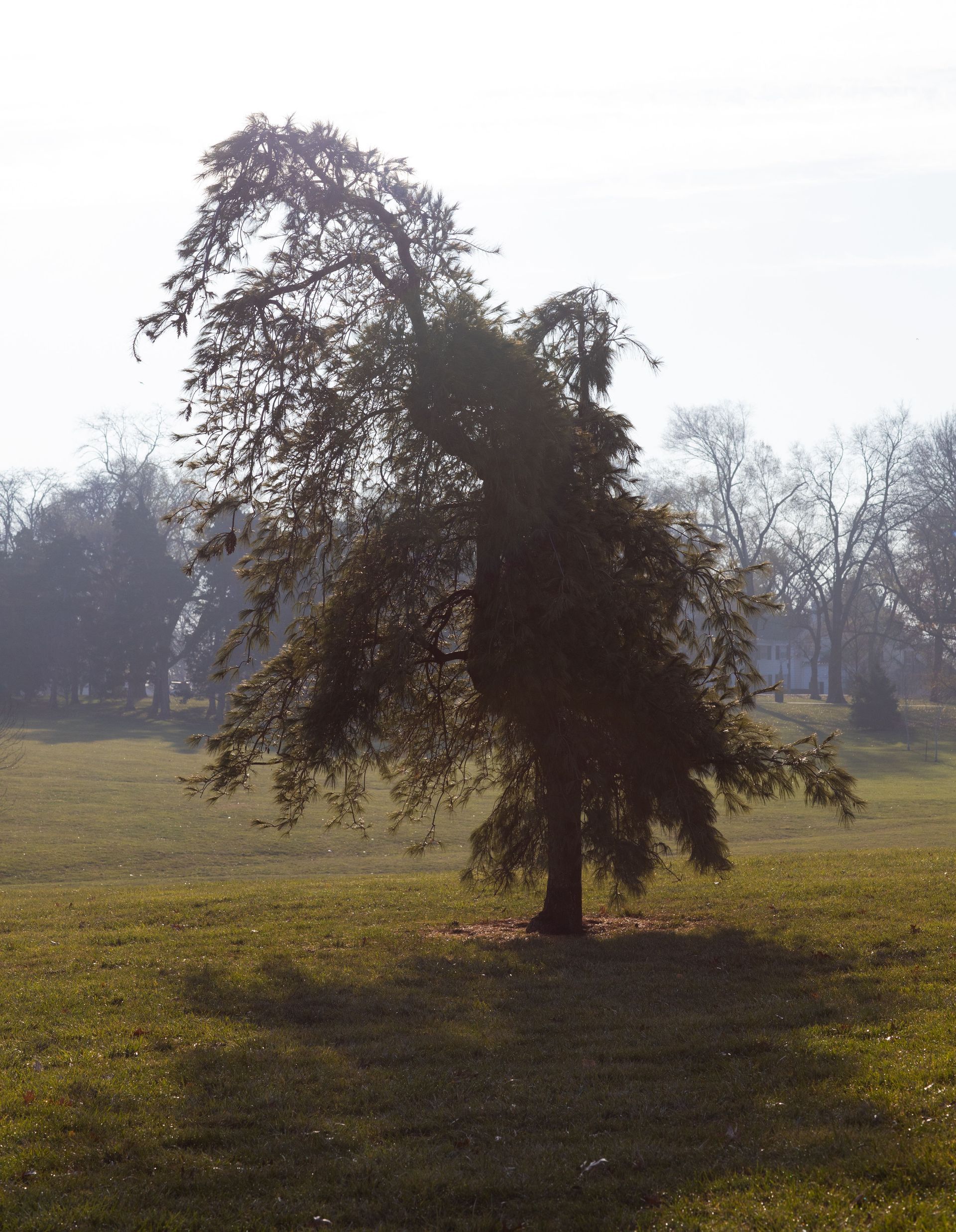
Without leaves, branch structure is easy to see. This helps identify crossing branches, weak attachments, storm damage, and areas that need weight reduction.
A clear canopy view supports better decisions and improved long term tree health.
2. Less Stress for the Tree
During dormancy, trees are not actively growing. Pruning at this time allows cuts to heal naturally as soon as spring growth begins. This reduces stress and promotes stronger callus formation.
3. Lower Risk of Disease Spread
Many fungal and insect pests that infect fresh cuts are inactive in cold weather. Winter pruning is especially ideal for species sensitive to disease pressure.
4. Improved Safety and Reduced Storm Risk
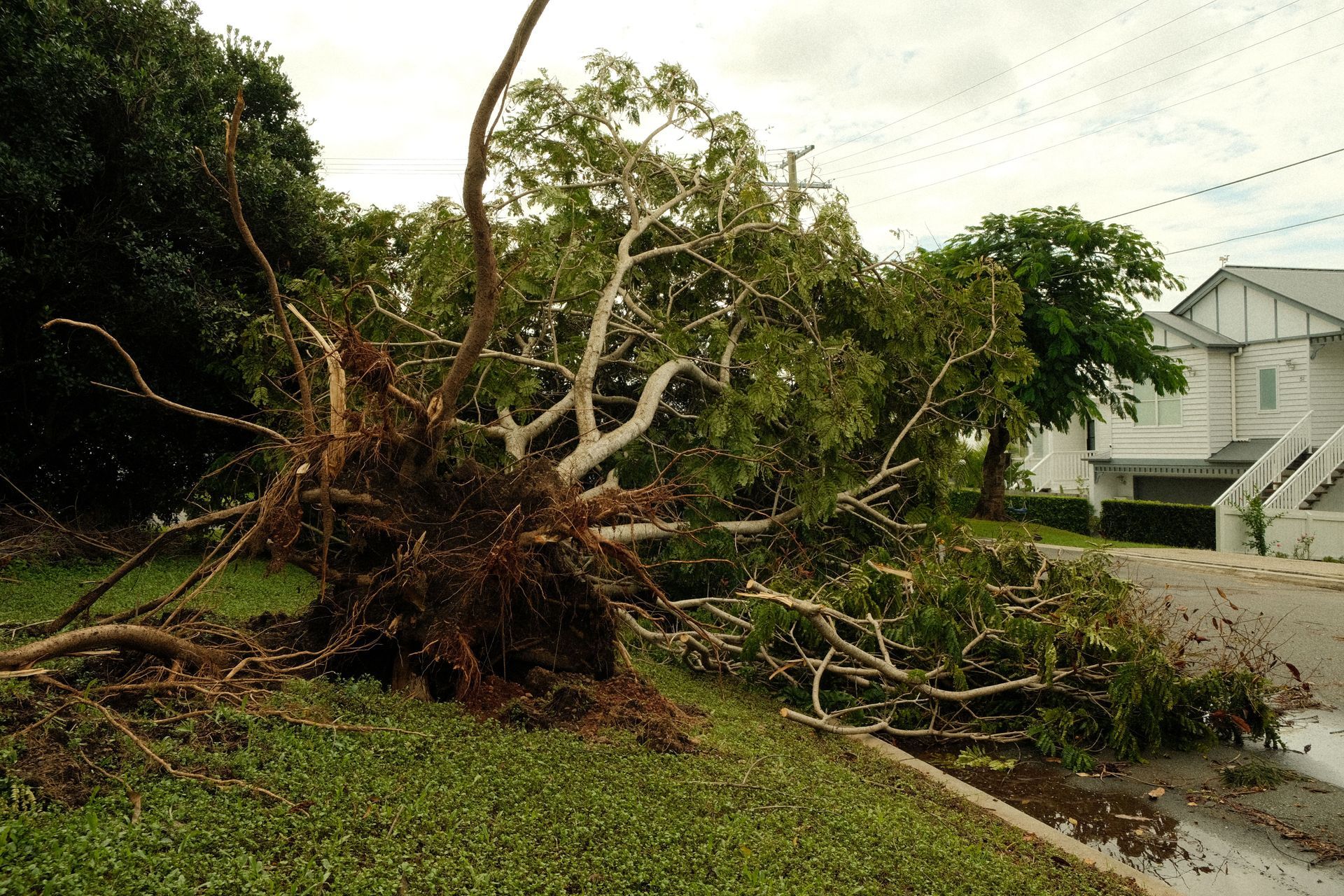
Removing dead or compromised limbs in winter helps prepare the tree for heavy snow and wind. This is also a good time to identify hazards that could cause problems later in the season.
5. Ideal Time to Plan Ahead
Winter is a quiet season for trees and a great time for homeowners to schedule work before spring gets busy. Dormant pruning sets up the next season for healthy, balanced growth.
Final Thoughts
Dormant pruning is one of the
most valuable steps you can take for long term tree health.
Contact us today to schedule a winter inspection and pruning assessment. Call 219-331-5901